
Pest control is often thought of as something people only need after a problem has already appeared. While fast treatment is important when pests are active, prevention is just as valuable. Many pest issues start because a property offers food, warmth, shelter, moisture or easy access. By reducing these opportunities, homeowners and businesses can make their premises less attractive to rodents, insects, birds and other pests.
Good pest prevention does not need to be complicated. It often comes down to regular checks, careful storage, sensible cleaning routines, building maintenance and knowing when to ask for expert advice. These steps can help reduce the risk of pests settling in and can make it easier to spot early warning signs before a small issue becomes more difficult to control.
Swift Response Pest Control Ltd provides professional pest control in West Oxfordshire for homes and businesses, helping customers deal with active problems as well as offering practical advice to reduce repeat issues. Below are some of the most useful ways to prevent pest problems around domestic and commercial properties.
Keep Food Properly Stored
Food is one of the main reasons pests enter properties. Rodents, ants, flies, cockroaches and stored product insects are all attracted to accessible food sources. Even small crumbs, open packets or poorly sealed containers can provide enough attraction for pests to investigate.
In the home, dry foods such as cereal, flour, pasta, pet food and bird seed should be stored in sealed containers where possible. Cupboards should be cleaned regularly, especially where packets have split or crumbs have collected. Pet bowls should be cleaned after use, and food should not be left out overnight if pest activity is suspected.
For businesses, food storage is even more important. Stockrooms, kitchens, staff areas and waste zones should be managed carefully. Packaging should be inspected for damage, older stock should not be forgotten at the back of shelves, and spillages should be cleaned quickly. A professional pest control plan can support these routines by identifying risk areas before pests become established.
Manage Waste and Bins Carefully
Bins and waste areas can quickly attract pests if they are not managed properly. Food waste, packaging residue and overflowing bins can encourage rodents, flies, wasps and birds. Outdoor bins should have secure lids and should be kept as clean as possible. If bins are damaged or lids do not close correctly, they can become an easy food source.
Commercial premises should pay particular attention to waste storage. Restaurants, cafés, takeaways, pubs, shops and hospitality businesses often generate waste that pests find attractive. Waste should be removed regularly, and bin stores should be kept tidy. Grease, food residue and liquid spillages should not be allowed to build up.
In gardens, compost areas can also attract pests if they are not managed well. Compost bins should be used correctly, avoiding inappropriate food waste where possible. If rodent activity is noticed near bins or compost, it is worth seeking professional advice before the issue spreads to nearby buildings.
Seal Gaps and Entry Points
Rodents can enter properties through surprisingly small gaps. Openings around pipes, vents, doors, drains, damaged brickwork, rooflines or utility access points may all provide routes into a building. Once inside, rodents can move through cavities, lofts, floors and service routes.
Regularly checking the outside of your property can help identify possible entry points. Look around walls, doors, windows, garages, sheds and roof edges. Gaps should be sealed using suitable materials, but it is important to avoid blocking ventilation or creating other building issues. Where you are unsure, professional advice is recommended.
The British Pest Control Association provides useful pest advice and represents the UK public health pest management sector. For active rodent issues, proofing is often most effective when combined with professional treatment, because sealing pests inside a property can create further problems if not handled correctly.
Reduce Clutter and Hidden Nesting Areas
Pests like places where they can hide undisturbed. Cluttered storage areas, overfilled garages, sheds, lofts and stockrooms can create ideal harbourage for rodents and insects. Cardboard boxes, old fabrics, insulation, packaging and unused materials can all provide nesting opportunities.
Reducing clutter makes it easier to inspect the property and spot early signs of pest activity. In homes, lofts, garages and sheds should be checked periodically. In businesses, stock should be kept organised and off the floor where possible. Clear access around walls and corners makes cleaning and inspection easier.
Outdoor clutter can also create pest risks. Stacked timber, unused materials, overgrown vegetation and debris close to buildings can provide shelter for rodents. Keeping external areas tidy helps reduce hiding places and makes it harder for pests to move unnoticed towards the property.
Control Moisture and Damp Areas
Some pests are attracted to damp or humid conditions. Leaks, blocked drains, condensation, poor ventilation and damp storage areas can create environments that suit insects and other pests. Moisture can also affect building materials, making gaps, cracks or damaged areas more likely over time.
Bathrooms, kitchens, utility rooms, cellars, basements and commercial wash areas should be checked for moisture problems. Leaking pipes or taps should be repaired quickly, and areas with poor ventilation should be monitored. Insects such as silverfish may be linked to damp areas, while flies and other pests may be attracted to drains or organic build-up.
For businesses, drainage and cleaning routines are particularly important. Food premises, hospitality sites and commercial kitchens should keep drains and washdown areas clean to reduce pest attraction. If insects keep returning despite regular cleaning, a professional inspection can help identify hidden breeding sources.
Protect Gardens and Outdoor Areas
Many pest issues begin outside before moving towards the property. Gardens, yards, bin stores, sheds and outbuildings can all attract pests if they provide food or shelter. Keeping grass, shrubs and vegetation under control can reduce hiding places close to the building.
Bird feeders should be managed carefully, as spilled seed can attract rodents. If feeding birds, use suitable feeders and clean up fallen food regularly. Pet food should not be left outside, and outdoor dining areas should be cleaned after use, especially during warmer months.
Sheds and outbuildings should be checked for gaps, nesting material, droppings or insect activity. Wasps may build nests in sheds, roof spaces or sheltered garden structures. If you notice regular wasp traffic going in and out of one area, avoid disturbing it and seek professional help.
Check Loft Spaces and Roof Areas
Lofts and roof spaces are common areas for pest activity because they are quiet, warm and often undisturbed. Rodents, birds, insects and wasps may all make use of roof voids or loft spaces depending on the structure and access points.
Homeowners should be aware of scratching noises, damaged insulation, droppings, nesting material or unusual smells in loft spaces. Businesses with roof voids or large premises should also check these areas as part of routine maintenance.
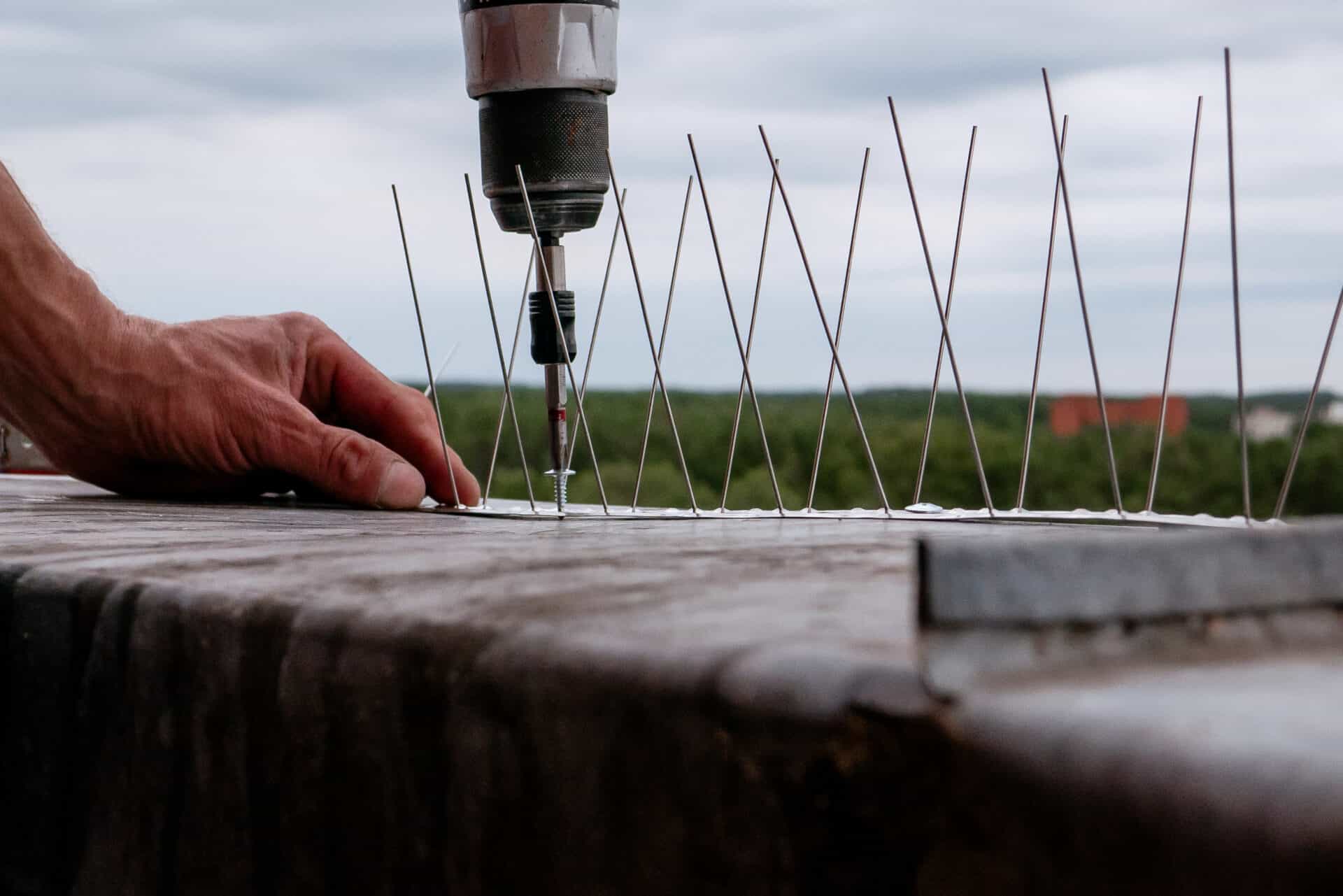
Bird activity around rooflines, gutters and ledges may also need attention. Bird control should always be handled safely and legally, with humane methods and proper consideration of wildlife rules. Professional advice is particularly important when birds, nests or protected species may be involved.
Pest Prevention for Businesses
Businesses face additional risks when it comes to pest control. A pest problem can affect hygiene, stock, staff safety, customer trust and compliance. This is especially important for food businesses, hospitality venues, retail premises, warehouses, offices, care settings and landlords.
Preventative pest control can help businesses identify risk areas before they become expensive or disruptive. This may include regular monitoring, proofing advice, hygiene recommendations and treatment where needed. It can also help demonstrate that pest risks are being taken seriously.
Commercial premises should keep records of pest sightings, cleaning routines and maintenance issues. Staff should know how to report signs of pests, including droppings, damage, insects, odours or unusual noises. Swift Response Pest Control Ltd provides tailored support for commercial customers across West Oxfordshire, helping businesses maintain safer and more hygienic premises.
Pest Prevention in Witney
Witney includes a mix of residential areas, shops, hospitality venues, industrial units, offices, older properties and rural surroundings. This means pest pressures can vary depending on the property type and location. Homes near open land, watercourses, gardens, bin storage areas or food premises may experience different risks from town centre businesses or newer housing estates.
For homeowners in Witney, prevention often means keeping kitchens clean, checking lofts and garages, sealing obvious gaps and managing gardens carefully. For businesses, it means paying close attention to waste, stock storage, cleaning routines and early reporting of pest signs.
Swift Response Pest Control Ltd provides pest control in Witney for domestic and commercial customers, offering fast, discreet and practical help when pest problems appear. The team understands the local area and can provide advice that suits the property, whether the issue involves rodents, insects, wasps, birds or another pest concern.
Know the Early Warning Signs
Prevention works best when property owners know what to look for. Early warning signs may include droppings, scratching noises, gnaw marks, damaged packaging, insects appearing repeatedly, wasp activity, nests, unusual smells or pets reacting to hidden areas.
If you notice one sign, it may be tempting to wait and see what happens. However, pests can multiply, spread or cause damage if they are left untreated. Acting early usually makes the problem easier to manage and can reduce disruption.
The GOV.UK guidance on pest control explains that property owners can hire a pest controller for help with pest issues. West Oxfordshire District Council also notes that it does not provide a pest control service and points residents towards professional pest control organisations. This makes it important to choose a reliable local company when help is needed.
Arrange Professional Help When Prevention Is Not Enough
Even with good prevention, pest problems can still happen. Rodents may enter through hidden gaps, insects may be introduced accidentally, wasps may build nests in difficult-to-reach places, and birds may cause issues around rooflines or commercial premises.
When prevention is not enough, professional pest control can provide a clear solution. A trained technician can assess the problem, identify the pest, recommend suitable treatment and explain what can be done to reduce future risks. This is often safer and more effective than relying on DIY products alone.
Swift Response Pest Control Ltd offers pest control across West Oxfordshire, supporting customers in Witney, Carterton, Burford, Eynsham, Kidlington and surrounding villages. Whether you need urgent help with an active infestation or advice on preventing repeat pest problems, a professional local service can help protect your property with confidence.